Protect · Penetration Testing & Vulnerability Assessments
Find the gapsbefore someone else does.
A penetration test is a controlled attack on your own systems. We probe your network, applications and people the way a real attacker would, then hand you a prioritized, plain-language report of what we found and how to fix it.
Overview
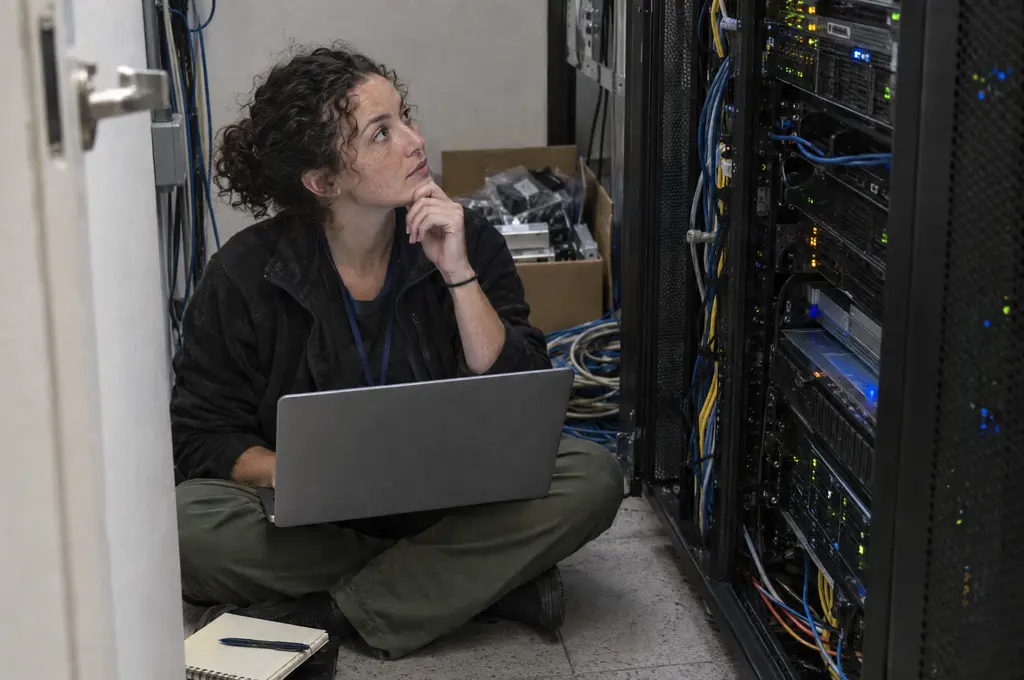
Vulnerability scanning runs continuously and catches known weaknesses — missing patches, outdated software, exposed services. Penetration testing goes further: skilled testers chain small weaknesses together to see how far an attacker could really get, from the internet or from a single compromised laptop inside your office.
Every engagement is scoped in writing, scheduled with you and conducted safely. Reports separate the critical from the cosmetic, and we retest after remediation so you can prove the fixes worked.
What's included
Everythingthat's included.
Find the weaknesses an attacker would use — and get a clear plan to close them.
External penetration testing
Testing of your internet-facing systems — firewall, VPN, email and websites.
Internal penetration testing
Simulating an attacker who has already gained a foothold inside your network.
Vulnerability scanning
Recurring scans of internal and external systems with trend reporting.
Wireless testing
Checks for weak Wi-Fi configurations and rogue access points.
Social engineering
Optional phishing and phone-pretexting tests of staff awareness.
Remediation & retest
A prioritized fix list, help implementing it, and a retest to confirm.
How it works
Four steps,no surprises.
Scope
Targets, rules of engagement and testing windows agreed in writing.
Test
Reconnaissance, scanning and manual exploitation performed safely.
Report
Executive summary plus technical findings ranked by risk.
Retest
Verification that remediations closed each finding.
What changes
- 01A realistic view of your exposure
- 02Prioritized fixes instead of an overwhelming list
- 03Evidence for clients, auditors and insurers
FAQ
Commonquestions.
Will testing disrupt our operations?
Testing is planned to avoid disruption. Any higher-risk activity is scheduled in agreed windows, and we stop immediately if anything unexpected occurs.
How often should we test?
At least once a year and after major changes. Many compliance frameworks, including PCI DSS, require annual testing.
What's the difference between a scan and a pen test?
A scan is automated and finds known issues. A penetration test adds human testers who think like attackers and prove real-world impact.
Pairs well with
All services
Let's look at yourpenetration testing together.
A one-hour, no-obligation IT and security assessment. You get a written report of risks and quick wins, whether or not you hire us.
Book a free assessmentFree · No obligation · Written report